
How Do I Choose Coffee Beans and Brands as a New Home Coffee Drinker?
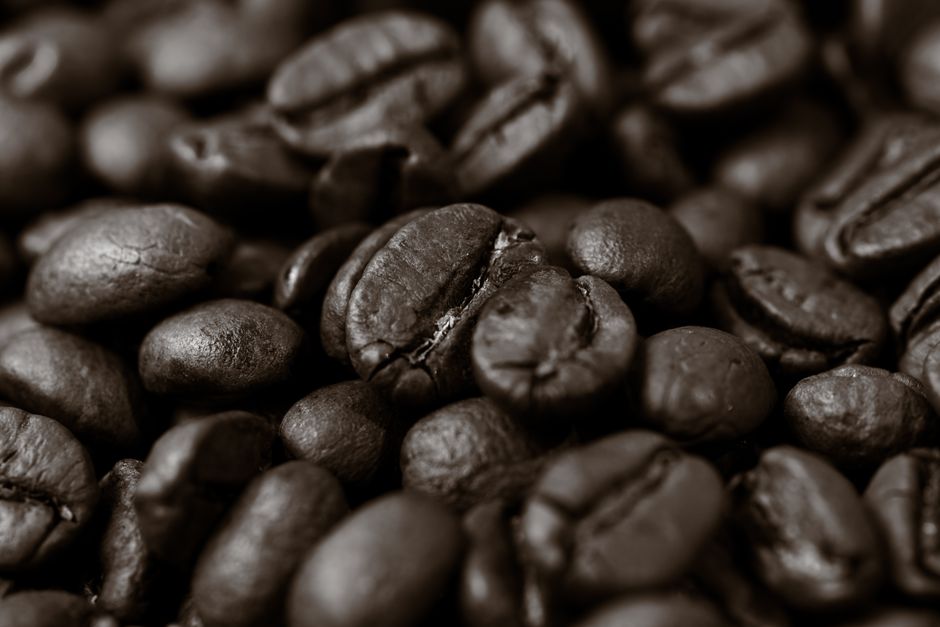
Choose coffee by starting with your brewing method, then match the bag to flavors you want, a recent roast date, and a small enough purchase to finish while it is fresh. Treat roast labels, origin, certifications, and words such as “espresso” as useful clues, not quality guarantees. The practical default is whole beans, ground just before brewing, from a brand that clearly states its roast date.
How do I know which coffee beans I will like?
You will like coffee beans that fit both the cup you want and the way you make it. Start with the brew method already on your counter. The National Coffee Association identifies drip, pour-over, espresso, French press, and cold brew as distinct methods, and says brewing affects cup quality and flavor as much as variety and roast.
That means a bag is not a verdict. It is a set of inputs. Roast, origin, blend, tasting notes, grind, strength, and brewing method all reach the cup together. Keep the first purchase simple: choose one bag, make it consistently, then change one variable on the next bag.
Use the “method-first filter.” Read the bag in this order: brew method, flavor direction, roast date, then brand story. This removes noise before it reaches your kitchen counter.
| Start with | Choose a bag that gives you | What to test next |
|---|---|---|
| Drip coffee maker | A roast level and tasting notes that sound appealing | Make the same coffee at a different strength before deciding you dislike it |
| Espresso machine | Whole beans with a recent roast date | Adjust the preparation before treating the bean as the problem |
| French press | A flavor profile you want to taste with the coffee’s oils present | Compare it with a paper-filtered brew if possible |
| Cold brew | A bag selected for the mellow style you want | Record whether the result matches your preferred flavor direction |
The method matters because it changes what reaches the cup. A peer-reviewed study of specialty coffee preparations notes that French press immersion allows oils into the drink that paper filters would retain, while espresso is prepared under pressure. Its central point is the useful one: processing, roasting, and brewing all shape sensory attributes, so no bag label can do the entire job for you.
Read tasting notes as direction, not a contract. If a bag lists flavors you want to pursue, use that as a starting point. Then keep a short note after brewing: “wanted more sweetness,” “too bitter,” or “liked the thicker feel.” That is better buying data than a dramatic front-of-bag claim.
Does the coffee brand matter more than the roast date?
No. A visible roast date is the more actionable buying signal because it tells you where the coffee sits in its freshness window. Brand can help you find a flavor profile or a consistent blend, but it cannot restore aromas that have already escaped.
The Specialty Coffee Association explains that carbon dioxide produced during roasting carries coffee aromas and is gradually lost through degassing. Degassing moves quickly in the first 20 days after roasting. The association says whole-bean coffee can reasonably be considered fresh for about three weeks after roasting, while ground coffee may be fresh for about an hour after grinding.
This is the Freshness First rule: if two bags seem equally suitable, choose the one with the clear, more recent roast date and buy the smaller quantity. The National Coffee Association’s storage guidance recommends buying enough freshly roasted coffee for one or two weeks. It also identifies air, moisture, heat, and light as the main threats to freshness.
Weak buying rule: “This package says premium, so it must be good.”
Strong buying rule: “This bag tells me when it was roasted, and I can finish it while its flavor is still lively.”
Whole beans give you more control because grinding accelerates aroma and gas loss. Store roasted coffee in an airtight container at room temperature, then grind only what you need immediately before brewing. This is not about safety theater. Older roasted coffee does not automatically become unsafe; it loses aroma and flavor and can taste stale.
Use brand information after freshness, not instead of it. A blend combines coffees from different places to create complementary flavor, aroma, and other characteristics. According to the National Coffee Association, blends tend to provide more consistent flavor and year-round availability than single-origin coffee. Choose a blend when you want repeatability. Choose a single-origin offering when you want to explore a particular coffee’s stated character. Neither choice is automatically superior.
For a household budget, resist the “big bag saves money” reflex if it leaves coffee sitting past the period when you enjoy it most. Buy the smallest batch that fits your routine. The useful comparison among supermarket, local-roaster, and direct-to-consumer options is not a prestige contest. Check whether the seller gives you a roast date, whether the quantity suits your use, and whether the flavor information helps you make a repeatable choice.
What coffee roast should I buy for a drip coffee maker?
For a drip coffee maker, buy the roast whose stated flavor direction sounds good to you, then adjust brew strength before assuming the roast is wrong. Drip is an automated method, but the coffee is still not on autopilot: extraction and strength materially change what you taste.
A Journal of Food Science study tested one wet-washed Arabica coffee at light, medium, and dark roast levels across nine drip-brew targets for each roast. Researchers found that 21 of 30 sensory attributes differed significantly across brews for one or more experimental factors. Burnt wood or ash, citrus, sourness, bitterness, sweetness, thickness, and flavor persistence all responded significantly across the roast levels.
The practical lesson is direct: roast labels are clues, not shortcuts. A light, medium, or dark label cannot fully predict your cup because brew strength and extraction also change flavor. The study found sweetness inversely correlated with brew strength regardless of roast level. If a first drip cup feels wrong, test a change in strength before writing off the bag.
Run a two-cup drill. Brew the coffee once using your normal routine. On the next brew, change only the amount of coffee used or the amount of water, not both. Write one sentence after each cup: “Cup A was more ___; Cup B was more ___.” This gives you a usable preference signal instead of a vague reaction.
Do not let “espresso roast” decide your drip purchase. It is not a universal quality grade, and it does not guarantee that a coffee will be your best drip cup. Select by the flavor direction you want, preserve freshness, and use the drip maker consistently enough to learn what changed.
Frequently Asked Questions
Which beans work best for espresso and milk drinks?
Start with beans whose stated tasting notes match the cup you want, then test them in your own espresso setup. Espresso is a bold, concentrated brewing method, and the National Coffee Association notes that brewing method affects flavor as much as variety and roast. A bag labeled “espresso” describes a roaster’s intended use, not a universal quality standard.
Should I buy whole-bean coffee or pre-ground coffee?
Buy whole beans when grinding immediately before brewing is practical. The Specialty Coffee Association estimates whole-bean coffee can reasonably be considered fresh for about three weeks after roasting, while ground coffee may be fresh for about an hour after grinding. If pre-ground coffee is the workable choice, buy a smaller amount and store it airtight.
How fresh should coffee beans be when I buy them?
Look for a clear roast date and buy an amount you can use promptly. The National Coffee Association recommends smaller batches, enough for one or two weeks, and lists roasted whole beans at room temperature as retaining freshness for one to three weeks when stored properly. The Specialty Coffee Association uses roughly three weeks after roasting as a reasonable whole-bean freshness guide.
Your next purchase needs one decision, not a complete coffee education. Pick your brewing method, choose a fresh whole-bean bag with a visible roast date, and record one thing you want more of in the next cup. That single note will reduce guesswork faster than any marketing label.
Sources
- Specialty Coffee Association: Fresh Coffee
- Journal of Food Science: Roast Level and Drip Brewing Study
- Effect of Extraction Methods on Aroma Profile, Antioxidant Activity and Sensory Acceptability of Specialty Coffee Brews
- National Coffee Association: How to Store Coffee
- National Coffee Association: From Seed to Cup
- National Coffee Association: How to Brew Coffee