
What Bass Lure Should I Throw in Unfamiliar Water?
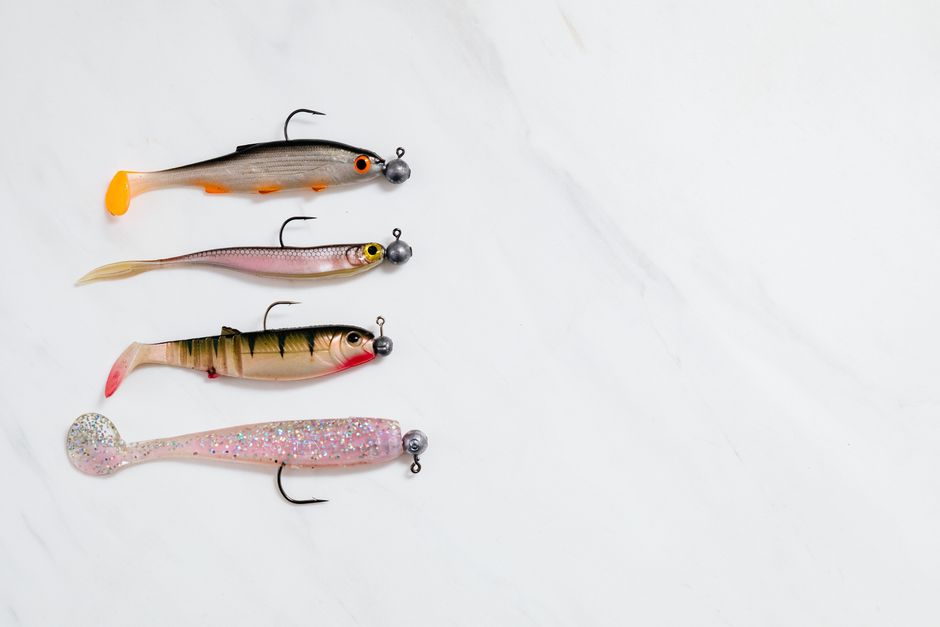
Start by matching visibility and cover: in clear water, use a natural, smaller-profile lure; in muddy water, use a dark or bright lure that creates strong vibration; and on windy banks, cover water with a spinnerbait or rattling lipless crankbait. Then change retrieve speed before changing lure families: slow down in cold water or after short strikes, and use more motion when bass are active.
That is the decision system. Do not open a new lake by cycling through every bait in the tackle box. Make one condition call, fish it with intent, and adjust one variable at a time.
What is the best lure for bass in muddy water?
In muddy water, start with a dark, high-contrast lure that produces vibration, such as a Colorado-blade spinnerbait, bladed swim jig, rattling or wobbling crankbait, or a bottom-worked stickbait. Indiana Department of Natural Resources defines muddy water here as roughly 1 to 2 inches of visibility and recommends dark colors plus vibration because a lure can disappear almost immediately.
Use this simple rule: visibility down, signal up. Iowa Department of Natural Resources explains that in very turbid water, bass must use a lure's vibration and noise to find it. That makes blade size, rattle, wobble, and retrieve control more important than a detailed paint pattern.
| Water condition | Start with | Make it easier to find |
|---|---|---|
| 1-2 inches of visibility | Colorado-blade spinnerbait or rattling crankbait | Use a dark, high-contrast color and steady vibration |
| 3-6 inches of visibility | Bright lipless crankbait or chartreuse soft plastic | Use contrast such as chartreuse or a two-tone pattern |
| Clear water, 2 feet or more of visibility | Natural soft plastic, jerkbait, or smaller-bladed spinnerbait | Reduce bulk and use a less forceful presentation |
Work the muddy-water lure along the edge of a visible target: a laydown, weed edge, dock line, stump, or bank break. A cast that passes near cover with a detectable signal has a job. A random cast into featureless water creates little information.
If a bass bumps or short-strikes the moving bait, do not keep increasing speed. Follow with a soft plastic and slow the presentation. Iowa DNR specifically identifies soft plastics as a way to catch fish that short-strike hard baits.
What should I throw for bass on a windy, cloudy day?
On a windy, cloudy day, throw a spinnerbait or rattling lipless crankbait along the wind-blown shoreline, then keep the lure in contact with available cover when bass are less aggressive. Indiana DNR recommends casting wind-blown banks in March and April because wind moves warm surface water and food into the shallows, and it advises heavier lures when wind makes casting control harder.
The operational choice is blade type. A willow blade gives more flash with less drag; a Colorado blade creates a slower, heavier vibration, according to Bassmaster's guide to spinnerbait patterns. In cleaner water, a willow or willow/Colorado combination supports a faster reaction-bite retrieve. In colder, dirtier spring water, a Colorado blade supplies a stronger signal at a slower pace.
Run this sequence before changing baits:
- Cast the wind-blown bank. Aim along the bank or across the face of visible cover, not only straight at it.
- Choose a controllable weight. If wind prevents accurate casts or line control, use the heavier option rather than fighting the conditions.
- Change the lane. Retrieve high first to cover water; then bring the same lure near the bottom and let it contact rocks, wood, or other structure.
That final adjustment matters. Bassmaster reports that when bass are not highly aggressive, bringing a spinnerbait close to the bottom and allowing it to contact structure can create reaction strikes. Keep the lure moving, but give it a reason to change direction.
Which bass lures work best in clear water?
In clear water, use natural-color lures with a smaller, less imposing profile: soft plastics, jerkbaits, smaller-billed crankbaits, smaller-bladed spinnerbaits, and, around emergent vegetation, a smaller-profile bladed jig. The Iowa DNR recommends natural colors, thinner blades, and smaller bills in clear to lightly stained water; Indiana DNR also includes natural or flashy spoons, spinners, jerkbaits, lipless crankbaits, and soft plastics for water with 2 feet or more of visibility.
Clear water does not mean fish only want slow presentations. It means the lure needs a cleaner visual argument. Start with a natural baitfish or subdued soft-plastic look, make accurate casts to cover, and vary speed deliberately rather than throwing a louder, bulkier bait immediately.
For clear water with emergent vegetation, Bassmaster's comparison of bladed jigs and spinnerbaits recommends a smaller-profile bladed jig over an overpowering spinnerbait. Over submerged grass, that bladed jig can retain vibration while showing less flash and bulk.
Bank anglers should make the shoreline do the sorting. Cast parallel to grass, docks, fallen trees, and stumps rather than casting only perpendicular to shore. Boat anglers can repeat the same approach from multiple angles, but the rule remains the same: work the edges and objects bass use, then adjust depth and speed.
How should season and cover change my lure choice?
Season changes the starting depth and pace. Iowa DNR says largemouth bass move shallow to feed actively at 55 to 62 degrees Fahrenheit, while feeding is greatly reduced below 50 degrees. In cold water, use a slower retrieve and a presentation you can keep near structure: a crawfish-style jig, soft plastic, or slowly worked spinnerbait.
In warmer months, cover and light become the next filter. Massachusetts Division of Fisheries and Wildlife identifies topwater as an early- or late-light warm-month presentation and frogs as a choice for dense summer vegetation. The same agency notes that largemouth bass favor structure such as vegetation, fallen trees, stumps, docks, and boats, while hot sunny conditions can move them somewhat deeper until sunset.
Build a three-level starter combination for unfamiliar water: a rattling lipless crankbait for finding active fish, a Texas-rigged soft plastic for cover and follow-up casts, and a topwater lure or frog for low light or dense vegetation. Massachusetts Division of Fisheries and Wildlife calls the Rat-L-Trap a great lure for locating fish in a new waterbody because it rattles, sinks quickly, and can be worked at different depths through retrieve speed.
Use the combination as a decision tree, not a collection. Search with the moving bait. When cover, a strike, or a missed strike identifies a target, slow down with the soft plastic. When warm low-light conditions or thick vegetation block other presentations, move to topwater or a frog.
Frequently Asked Questions
What lures should I start with at a new lake or pond?
Start with a rattling lipless crankbait to locate active fish, then keep a soft-plastic worm ready for slower follow-up casts around cover. Massachusetts Division of Fisheries and Wildlife calls the Rat-L-Trap a strong new-water search lure because it sinks quickly, rattles, and can be worked deep or shallow by changing retrieve speed.
Should I use a slow lure or a moving lure when bass are not biting?
Use a slower, subtler presentation when water is cold, bass are tired, or fish short-strike a hard bait. Indiana DNR advises slow retrieves in cold water, while Iowa DNR notes that soft plastics can catch bass after they miss a crankbait or spinnerbait.
What bass lure should a beginner use from the bank?
Use a spinnerbait or lipless crankbait to search accessible banks, then work a Texas-rigged soft plastic slowly around vegetation, docks, fallen wood, or other visible cover. This two-lure approach gives a beginner one moving option for finding fish and one weedless option for working likely holding spots.
For the next trip, run one short drill: identify the water clarity before the first cast, select one search lure and one follow-up lure, and do not replace either until you have changed retrieve speed and depth. That process lowers tackle-box noise and gives each cast a clear purpose.
Sources
- Iowa Department of Natural Resources: Largemouth Bass
- Indiana Department of Natural Resources: Fishing Tips, When and Where
- Massachusetts Division of Fisheries and Wildlife: Bass Fishing Tips
- Indiana Department of Natural Resources: Which Fishing Lure?
- Bassmaster: Bladed Jig vs. Spinnerbait
- Bassmaster: Learn From Classic Patterns
Read next
How Do I Find and Compare Public Golf Courses Near Me?
Compare nearby public golf courses by price, tee-time access, difficulty, practice options, and current conditions before you book.

Choose a Senior Golf Package With Fewer Surprises and Better Access
Compare accessible senior golf packages, full trip costs, tee options, and realistic round counts before you book.