
How Should I Store Bottled Water Safely, and When Should I Throw It Away?
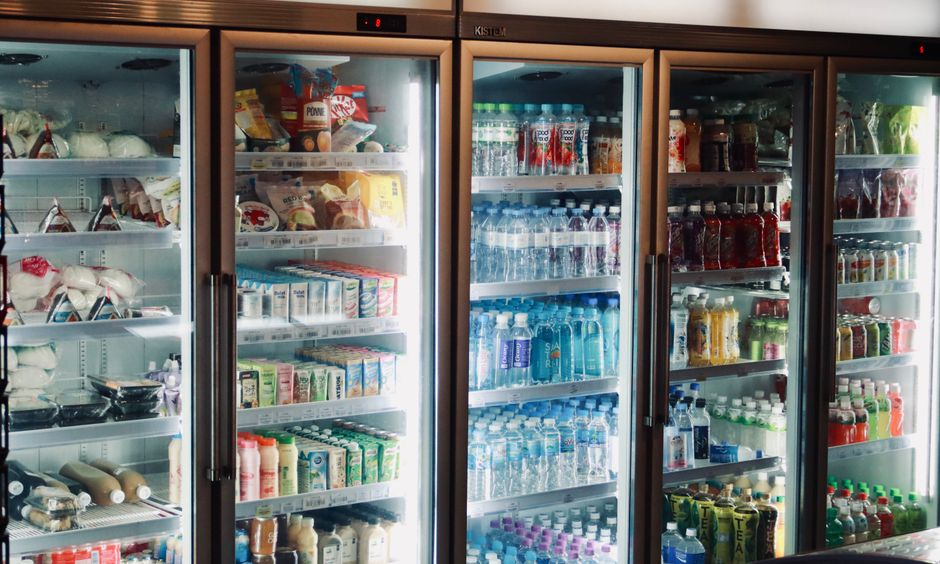
Store unopened bottled water sealed in its original container in a cool, dark, dry place, ideally 50 to 70 F, off the ground and away from sunlight, gasoline, pesticides, and other chemicals. Discard bottles that contacted floodwater or have broken or cracked containers, insecure lids, or cloudiness; avoid using stock subjected to sustained extreme heat, and rotate by its labeled date.
The useful distinction is simple: an expiration or sell-by date helps you rotate stock, while a damaged seal, contaminated exterior, or poor storage environment changes the decision. Treat your water case like emergency equipment, not pantry clutter. The goal is water that is ready when the tap is not.
Is bottled water safe after being left in a hot car?
A bottle left briefly in a hot car is not automatically unsafe, but bottled water should not be stored through sustained extreme heat. The strongest practical move is to replace water that has spent prolonged time in a very hot vehicle, especially if it was intended for emergency use.
The reason is not a vague fear of plastic. A peer-reviewed study of commercial bottled water found that heating samples to 50 C increased antimony concentrations to 8.530 ppb after 24 hours and 16.8 ppb after seven days under its test conditions. At room temperature for three months, concentrations did not change significantly in the tested water. The study supports avoiding sustained high heat; it does not prove that every bottle forgotten in a car for a short period is unsafe.
Use the duration-and-condition check. If the bottle had a short exposure and is still sealed, clear, and undamaged, move it to proper storage rather than treating it as an emergency. If it sat through repeated or prolonged extreme heat, replace it for your household reserve. This is a reliability decision. You are building a supply you will not have to debate later.
| Situation | Best household move | Why |
|---|---|---|
| Brief heat exposure; bottle is clear, sealed, and intact | Move it to a cool, dark storage area | The cited heat study does not establish that every brief hot-car exposure makes a bottle unsafe. |
| Prolonged or repeated extreme heat | Replace it in emergency stock | High-temperature study conditions showed increased antimony levels over time. |
| Cracked bottle, insecure lid, or cloudiness | Discard and replace it | Utah State University Extension identifies these as inspection failures. |
| Contact with floodwater | Discard it | FDA says capped beverage containers exposed to floodwater cannot be disinfected. |
That approach also protects your grocery budget. Keep the replacement decision narrow: sustained extreme heat or visible compromise, not every ordinary errand. For other practical food planning, see What Healthy Snacks Can I Pack for My Child at School?.
Can I store cases of bottled water in my garage?
You can store cases in a garage only if the spot stays cool, dry, dark, and away from toxic substances; many garages fail that test during hot weather or when they share space with fuel and chemicals. A better location is a stable indoor storage area that does not receive direct sun.
The Centers for Disease Control and Prevention recommends a cool 50 to 70 F location away from direct sunlight and toxic substances such as gasoline or pesticides. Ready.gov gives the same operating instruction: buy commercially bottled water and keep it sealed in its original container in a cool, dark place.
Run a fast garage check before you stack cases there:
- Check the temperature pattern. If the space routinely gets hot, use an indoor closet or another cooler location instead.
- Check nearby products. Do not store water beside gasoline, kerosene, pesticides, or similar materials. Utah State University Extension notes that plastic is permeable to certain vapors.
- Check the floor. Keep cases in a clean, dry spot off the ground. For large quantities, follow the manufacturer's stacking guidance and make sure the floor can support the load.
- Check the light. Put the cases out of direct sunlight, even if they are still wrapped.
Weak setup: "The cases fit beside the lawn supplies." Strong setup: "The cases are sealed, elevated, shaded, and separated from chemicals." That one change reduces the chance that a convenient storage spot becomes unusable stock.
How long does unopened bottled water last?
Unopened bottled water should be rotated according to its labeled expiration or use-by date, but that date is not proof that the water suddenly becomes compromised on that day. It is a practical inventory signal, not a magic safety cliff.
CDC says to observe the expiration date on store-bought water. Michigan's emergency-water guidance explains that a manufacturer sell-by date, often two years after bottling, serves as a stock-rotation reminder and does not itself mean the product or water quality has deteriorated after the date. The two ideas work together: follow the label for a dependable household system, rather than treating a printed date as either meaningless or catastrophic.
Do not mix that guidance up with water you fill yourself. CDC and Ready.gov reserve the six-month replacement guidance for water consumers fill and store themselves, not commercially bottled water kept sealed in its original container. The container and storage conditions matter.
For a household reserve, plan at least 1 gallon per person per day for three days. CDC says a two-week supply is preferable when space permits. Ready.gov also notes that people's needs can increase in hot weather. That is why a labeled, countable water reserve beats guessing from a half-used case when an emergency is already underway.
Set Up a Rotation Routine
Make this a five-minute household drill. Write the month and year of purchase on the outside of each case, place newer cases behind older ones, and inspect the oldest case when you restock. Use ordinary household needs to rotate eligible stock before its labeled date.
During each check, look for four visible failures: loose or insecure lids, broken or cracked containers, cloudiness, and any sign of floodwater exposure. Utah State University Extension recommends inspecting stored water every 6 to 12 months for secure lids, broken or cracked containers, and cloudiness. If any of those appear, the decision is finished: replace the bottle.
Floodwater gets its own rule. The U.S. Food and Drug Administration says to discard food and beverage containers with screw caps, snap lids, crimped caps, twist caps, or flip tops after floodwater contact because they cannot be disinfected. Do not try to rescue a case by wiping its bottles down. Replace it with bottled water that was not exposed.
Your assignment this week: identify the current water location, check whether chemicals share that space, and inspect the oldest case. If the answer is not clearly cool, dark, dry, sealed, and separate from chemicals, move the water. Small drill. High stakes.
Frequently Asked Questions
Does sunlight make plastic bottled water unsafe?
Sunlight is a storage problem to avoid, but it is not an automatic reason to discard an intact bottle. Michigan's emergency-water guidance says PET bottles are stable under required manufacturing practices and that sunlight should not create safety problems, although prolonged sunlight can affect taste. Keep cases in a cool, dark place so the water stays more usable when you need it.
Should I throw away bottled water if the bottle is dented or swollen?
The provided guidance gives clear discard triggers for broken or cracked containers, insecure lids, cloudiness, and floodwater contact. It does not set a separate rule for a dent alone, so check whether the seal, cap, and bottle remain intact. A swollen bottle is not specifically addressed in these sources; when its condition makes the seal or container integrity uncertain, replace it rather than relying on it for emergency water.
Sources
- Centers for Disease Control and Prevention: How to Create and Store an Emergency Water Supply
- Ready.gov: Water
- U.S. Food and Drug Administration: Hurricane Season: Be Prepared
- Michigan Department of Licensing and Regulatory Affairs: Emergency Water Supply Guidance
- PubMed Central: Effect of Temperature on Antimony Leaching From PET Bottled Water
- Utah State University Extension: Storing Water
Read next
How Many Sam's Club Water Cases Do I Need for My Event?
Calculate Sam's Club water cases by guest count, heat, event length, bottle size, and 40-pack quantity without creating avoidable waste.
What Should I Eat During a 12-Hour Night Shift?
A practical meal-timing and packing plan for filling overnight-shift food without relying on sugary convenience snacks.
What Can I Snack on When I Do Not Want Something Sweet?
A practical guide to savory snacks with protein, fiber, crunch, and smarter sodium choices for home, work, or a bag.
What Are Easy High-Fiber Breakfasts I Can Prepare the Night Before?
A practical make-ahead breakfast plan using oats, seeds, fruit, beans, lentils, and safe storage guidance.