
What Can I Snack on When I Do Not Want Something Sweet?
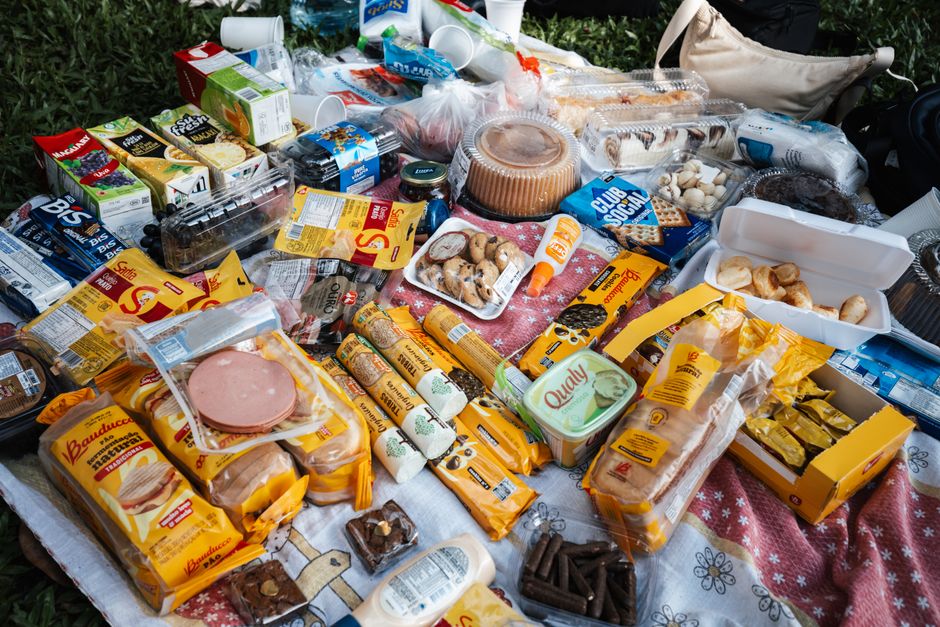
Choose savory snacks built from a protein food, a fiber-rich food, or both: roasted chickpeas, unsalted nuts, air-popped popcorn, vegetables with low-sodium hummus, or whole-grain crackers with cheese or nut butter. Keep portions near 150 to 250 calories, check the true number of servings, and use sodium as the fast filter for packaged foods.
A snack should solve a small problem. Hunger between meals is one. A sweet craving is not the only one.
What can I snack on when I do not want something sweet?
Choose whole-food savory snacks with protein, fiber, whole grains, or a combination of them. Harvard T.H. Chan School of Public Health says whole-food snacks containing protein, fiber, and whole grains, such as nuts, yogurt, and popcorn, enhance satisfaction.
That rule makes the choices easier. Crunch alone is not a plan. Pair it with something that has more staying power.
| Snack idea | Best place to keep it | What it brings |
|---|---|---|
| Unsalted nuts | Bag or desk | Protein and crunch |
| Roasted chickpeas | Bag or desk | Protein, fiber, and crunch |
| Air-popped popcorn | Home or work | Whole-grain crunch |
| Raw vegetables with low-sodium hummus or tzatziki | Home or work | Vegetables plus a savory dip |
| Whole-grain crackers with string cheese or nut butter | Home or work | Whole grains paired with protein |
The American Heart Association includes roasted chickpeas, air-popped popcorn, whole-grain crackers, and unsalted nuts and seeds among its crunchy snack choices. It also suggests raw carrots, celery, bell peppers, cucumber, broccoli, cauliflower, or tomatoes with low-sodium hummus or tzatziki.
For a packed snack, separate the dry item from the cold item. Keep chickpeas, nuts, or crackers in the bag. Add a dip, vegetables, cheese, tuna, or salmon when cold storage is available. The food changes. The structure stays the same.
Which savory snacks keep me full between meals?
The snacks most likely to feel satisfying combine protein with fiber or whole grains rather than offering salt and crunch alone. Harvard gives a general snack range of about 150 to 250 calories and suggests string cheese with six whole-grain crackers as one example.
Think in pairs. Whole-grain crackers with cheese. Crunchy vegetables with yogurt-based dip. Popcorn with a measured handful of nuts. The pair gives the snack a job.
The Dietary Guidelines for Americans names vegetables, beans, peas, lentils, nuts, seeds, soy products, seafood, eggs, and lean meats as protein-food components of a healthy eating pattern. The same guidelines recommend making at least half of grain intake whole grains. Those two ideas point toward savory snacks that do more than fill a gap.
One useful workday option is a yogurt-and-vegetable dip. USDA MyPlate's cucumber-yogurt-and-herb dip, served with vegetables, provides 94 calories, 6 grams of protein, 2 grams of dietary fiber, 0 grams of added sugars, and 109 mg of sodium per one-sixth-recipe serving. It is a clear example of a savory snack that brings protein, vegetables, and flavor to the same plate.
Portability has a limit. A shelf-stable snack travels well. A chilled pairing belongs in a lunch bag or workplace refrigerator. The practical answer is not one perfect snack. It is a dry base kept ready and a fresh pairing added when the setting allows.
What are healthy salty snacks instead of chips?
Use unsalted popcorn, nuts, rice cakes, roasted chickpeas, whole-grain crackers, or crunchy vegetables as chip alternatives, then check sodium before buying. The American Heart Association recommends aiming for snacks with 140 mg of sodium or less per serving.
Salt has a way of hiding in plain sight. The label tells the truth, though only when the serving size is read first.
The FDA states that calories, sodium, added sugars, and percent Daily Value on a Nutrition Facts label apply to one labeled serving. A package can hold more than one serving. Harvard notes that a single snack package can contain two or three servings, which can double or triple the listed calories when the whole package is eaten.
Use this short label routine:
- Read the serving size and servings per container.
- Check sodium for that serving. The FDA treats 5% Daily Value or less as low and 20% or more as high; its Daily Value for sodium is 2,300 mg.
- Check added sugars and dietary fiber. The FDA identifies added sugars as a nutrient to limit and dietary fiber as a nutrient to get more of.
- Decide whether the package is one portion or several before opening it.
The federal dietary guidelines advise adults and children age 14 and older to keep sodium below 2,300 mg per day. The American Heart Association reports that the average U.S. adult consumes more than 3,500 mg daily. A crunchy snack does not need to carry the whole day's salt problem.
Flavor is not the same as sodium. Garlic, dill, lemon, herbs, tangy yogurt, and vegetables give a snack a sharper edge without turning the label into an afterthought. For drinks that sit beside a savory snack, the same label habit applies; see How Do You Choose the Right Functional Beverage?.
Frequently Asked Questions
What savory snacks can I keep at my desk?
Unsalted nuts, roasted chickpeas, air-popped popcorn, and whole-grain crackers are practical desk choices. Harvard includes nuts, roasted chickpeas, and whole-grain crackers with string cheese among satisfying snack ideas; cheese needs suitable cold storage. Read the serving count before treating a package as one snack.
How can I make crunchy snacks healthier without losing flavor?
Choose unsalted popcorn, nuts, rice cakes, roasted chickpeas, whole-grain crackers, or raw vegetables with a low-sodium dip. The American Heart Association recommends aiming for 140 mg sodium or less per serving for crunchy snacks. Crunch comes from the food's texture; it does not require a large sodium load.
The best savory snack is plain in its logic: one food for crunch, one food for substance, and a label that matches the portion in hand.
Sources
- Harvard T.H. Chan School of Public Health, The Nutrition Source: Snacking
- U.S. Food and Drug Administration: How to Understand and Use the Nutrition Facts Label
- Dietary Guidelines for Americans, 2020-2025 Executive Summary
- American Heart Association: Sodium Can Be Sneaky
- USDA MyPlate: Cucumber Yogurt and Herb Dip
Read next
What Are Easy High-Fiber Breakfasts I Can Prepare the Night Before?
A practical make-ahead breakfast plan using oats, seeds, fruit, beans, lentils, and safe storage guidance.
What Healthy Snacks Can I Pack for My Child at School?
A practical guide to filling, lower-sugar, school-safe snacks, with allergy-label checks and storage advice for busy families.

How Do You Choose the Right Functional Beverage?
A practical label-reading guide to protein, electrolyte, prebiotic, and energy drinks, with evidence-based checks for sugar, caffeine, and more.
How Do I Choose Coffee Beans and Brands as a New Home Coffee Drinker?
Choose coffee beans by brew method, freshness, flavor preference, roast level, and a budget-friendly batch size, not marketing labels.