
What Healthy Snacks Can I Pack for My Child at School?
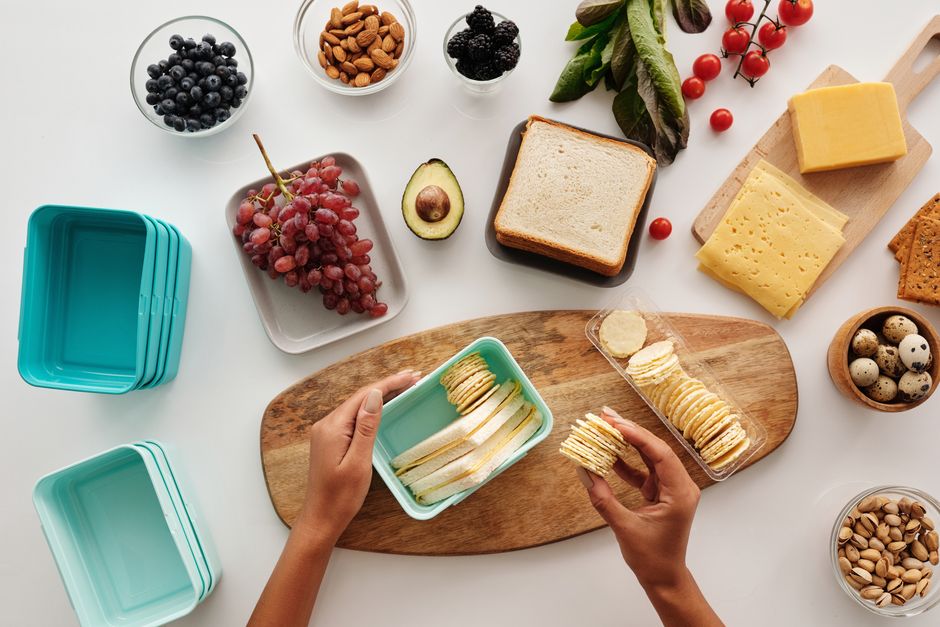
Pack a familiar fruit or vegetable with a protein-rich or dairy item and a whole-grain food, then keep cold foods in an insulated bag with two cold sources. For a school-safe, lower-sugar snack, check labels for major allergens and added sugars, choose plain or lightly sweetened options, and pack crunchy and moist foods separately.
A snack is a small meal. The best ones do more than fill a gap between bells.
What healthy snacks can I pack that my child will actually eat?
Pack one familiar food alongside one produce item, one protein or dairy food, and one whole-grain food. The American Academy of Pediatrics recommends pairing fruits and vegetables with dairy or dairy substitutes, lean proteins, or whole-grain cereals and breads.
That formula keeps the choice simple. It also stops the lunchbox from becoming a single sweet item that disappears fast and leaves hunger behind.
| Pack this role | Examples from the sources | How it fits |
|---|---|---|
| Produce | Fruit or raw vegetables | Use the food the child already accepts, then keep offering another. |
| Protein or dairy | Hummus, cheese stick, yogurt dip, yogurt | Pair it with produce or a grain rather than serving it alone. |
| Whole grain | Whole-grain cereal, bread, or a whole-wheat tortilla | Use it as the base or the crunchy side. |
The AAP lists raw vegetables, fruit, yogurt dip, hummus, and cheese sticks as foods to keep on hand. Pack the liked item without apology. Then add one small unfamiliar item. The AAP says picky eating is common between ages 2 and 4, and that children can need 15 to 20 tries to learn to like a food.
Repetition is not pressure. It is practice.
For a lower-sugar comparison, look at added sugar rather than treating all sugar as the same thing. The Centers for Disease Control and Prevention states that added sugars do not include sugars naturally found in milk, vegetables, and fruits. In 2017-2018, children and young people ages 2 to 19 consumed an average of 17 teaspoons of added sugars each day. Plain fruit and plain dairy make a cleaner starting point than a snack built around a sweetened package.
A whole-wheat tortilla can hold fruit and a school-approved nut-free replacement for peanut butter. USDA's apple-and-whole-wheat wrap recipe shows what a combined snack can do: one serving provides fruit, grains, and protein foods. Its peanut butter would need a nut-free replacement where school rules require one.
Which school snacks are nut-free and filling?
Nut-free filling snacks pair fruit, vegetables, or whole grains with cheese, yogurt, hummus, or another school-approved nut-free protein food. Read every label before packing, because nut-free is not the same as allergy-free.
The Food and Drug Administration recognizes nine major food allergens in the United States: milk, eggs, fish, crustacean shellfish, tree nuts, peanuts, wheat, soybeans, and sesame. Sesame has been the ninth major allergen since January 1, 2023.
FDA-regulated labels identify a major allergen when it is an ingredient. The information can sit in the ingredient list, in parentheses after an ingredient, or in a separate Contains statement. That makes a label check part of packing, not an afterthought.
- Fruit with cheese sticks
- Raw vegetables with hummus
- Whole-grain cereal with a school-approved dairy or dairy-substitute food
- A whole-wheat wrap with fruit and a school-approved nut-free spread
School rules set the boundary. The label tells the rest of the story. A snack can be filling and still be wrong for a classroom if it includes an allergen the school does not permit.
Drinks deserve the same pause. For a broader way to read beverage claims and labels, see How Do You Choose the Right Functional Beverage?. The snack box and drink box are one decision when added sugar is the concern.
How do I pack snacks that will not get soggy by lunchtime?
Keep wet and dry foods in separate containers, and pack perishables in an insulated lunch bag with two cold sources. This protects texture and keeps cold foods at the temperature FoodSafety.gov sets for school lunches.
Put hummus or yogurt dip in a small sealed container. Keep raw vegetables, fruit, whole-grain cereal, bread, or a tortilla separate until snack time. A wrap stays firmer when its moist filling is contained and its fruit is not packed loose against the bread.
FoodSafety.gov says two cold sources, such as freezer packs or frozen water bottles, should keep perishables at 40°F (4°C) or below until lunchtime. The same guidance says hot foods belong in an insulated container at 140°F (60°C) or above.
Cold food needs cold gear. Dry food needs dry space.
Pack cheese, yogurt, hummus, and other perishable items only when that insulated setup is in place. If a lunchbox cannot keep them cold through the school morning, choose shelf-stable foods that meet the school's allergy rules instead. FoodSafety.gov also cites a USDA study in which participants failed to wash their hands correctly or at all in 97% of instances when handwashing was required. A packed snack should be easy to eat with clean hands available at school.
Frequently Asked Questions
What are low-sugar alternatives to packaged snack foods?
Fruit, raw vegetables, plain or lower-added-sugar yogurt, cheese sticks, hummus, and whole-grain foods provide building blocks for snacks without making a sweet packaged food the center of the meal. The CDC distinguishes added sugars from sugars that occur naturally in milk, vegetables, and fruits. Compare the added-sugar information on labels, especially when choosing yogurt or cereal-based foods.
What snacks work for picky eaters who will not eat vegetables?
Pack at least one food the child already likes, then place a small new food beside it at a planned snack time. The American Academy of Pediatrics says it can take 15 to 20 exposures for a child to learn to like a new food. Fruit, whole-grain bread or cereal, yogurt, cheese, and a nut-free spread can still make a filling snack while vegetables remain on offer.
The lunchbox does not need novelty. It needs a pattern: familiar food, steady fuel, safe storage, then one more chance to learn a new taste.
Sources
- Centers for Disease Control and Prevention: Added Sugars
- FoodSafety.gov: Back-to-School Meal Prep
- U.S. Food and Drug Administration: Food Allergies
- American Academy of Pediatrics: Helping Picky Eaters Try More Foods
- American Academy of Pediatrics: Choosing Healthy Snacks for Children
- USDA MyPlate: Peanut Butter and Apple Wraps
Read next
What Can I Snack on When I Do Not Want Something Sweet?
A practical guide to savory snacks with protein, fiber, crunch, and smarter sodium choices for home, work, or a bag.
What Are Easy High-Fiber Breakfasts I Can Prepare the Night Before?
A practical make-ahead breakfast plan using oats, seeds, fruit, beans, lentils, and safe storage guidance.

How Do You Choose the Right Functional Beverage?
A practical label-reading guide to protein, electrolyte, prebiotic, and energy drinks, with evidence-based checks for sugar, caffeine, and more.
How Do I Choose Coffee Beans and Brands as a New Home Coffee Drinker?
Choose coffee beans by brew method, freshness, flavor preference, roast level, and a budget-friendly batch size, not marketing labels.